
Volunteer
Do the work the programmes are actually made of
Volunteers with HISCUS cut fabric, carry supplies, prepare sessions and write them up. It is ordinary, useful work, and that is the point.
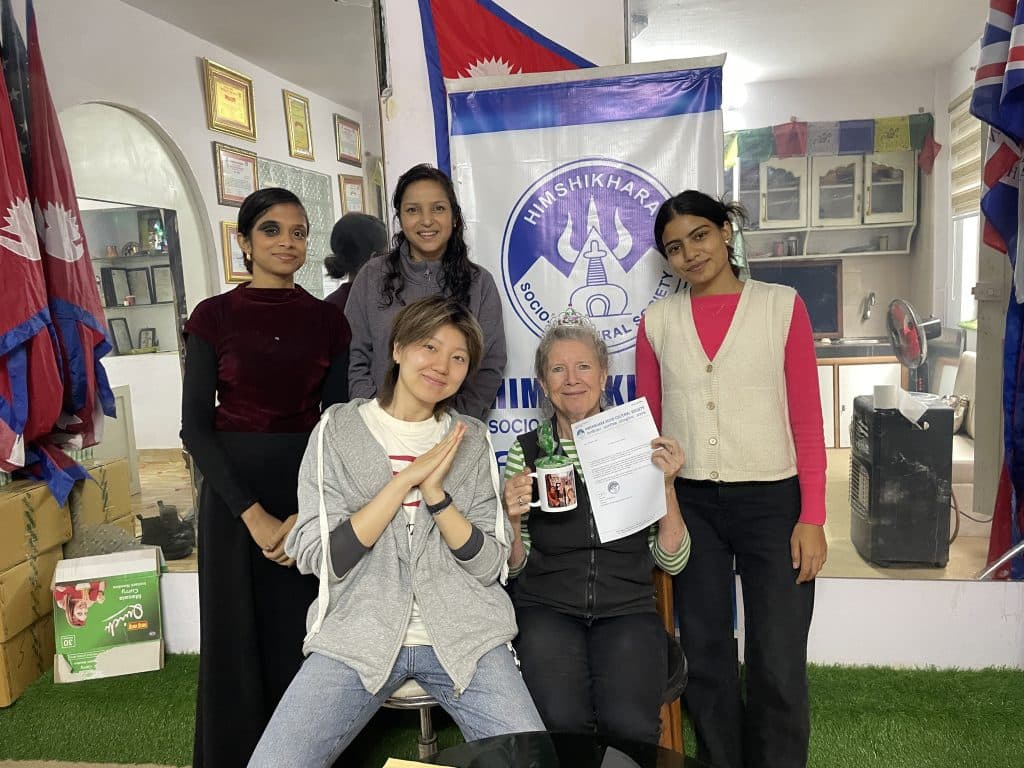
How volunteering works here
Volunteers join programmes that are already running, in communities that have already asked for them. You will be given specific tasks rather than a role invented for a visitor.
Placements are agreed individually: what you will do, for how long, where, and what it costs. Nothing is confirmed until it is confirmed in writing.
Roles
What volunteers do
Drawn from the work volunteers have actually taken part in.
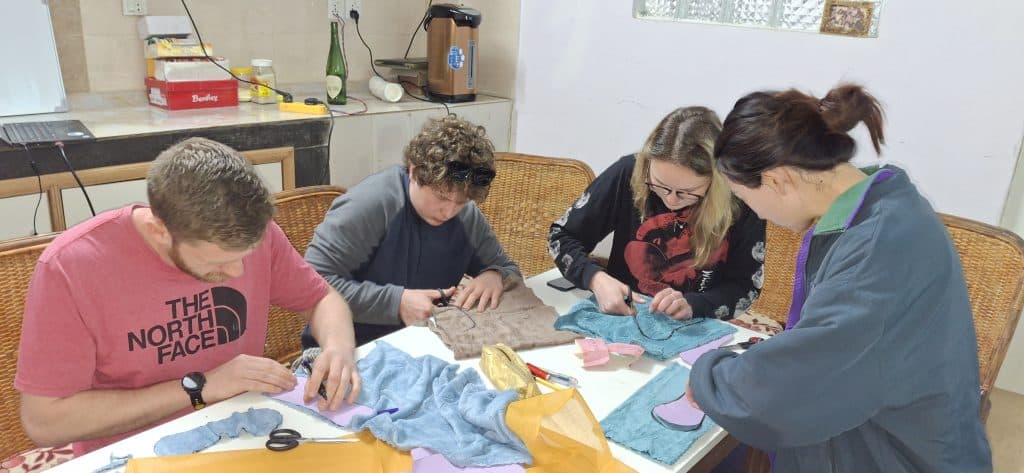
Session support
Preparing materials, setting up venues and helping run menstrual health, wellbeing and livelihood sessions.
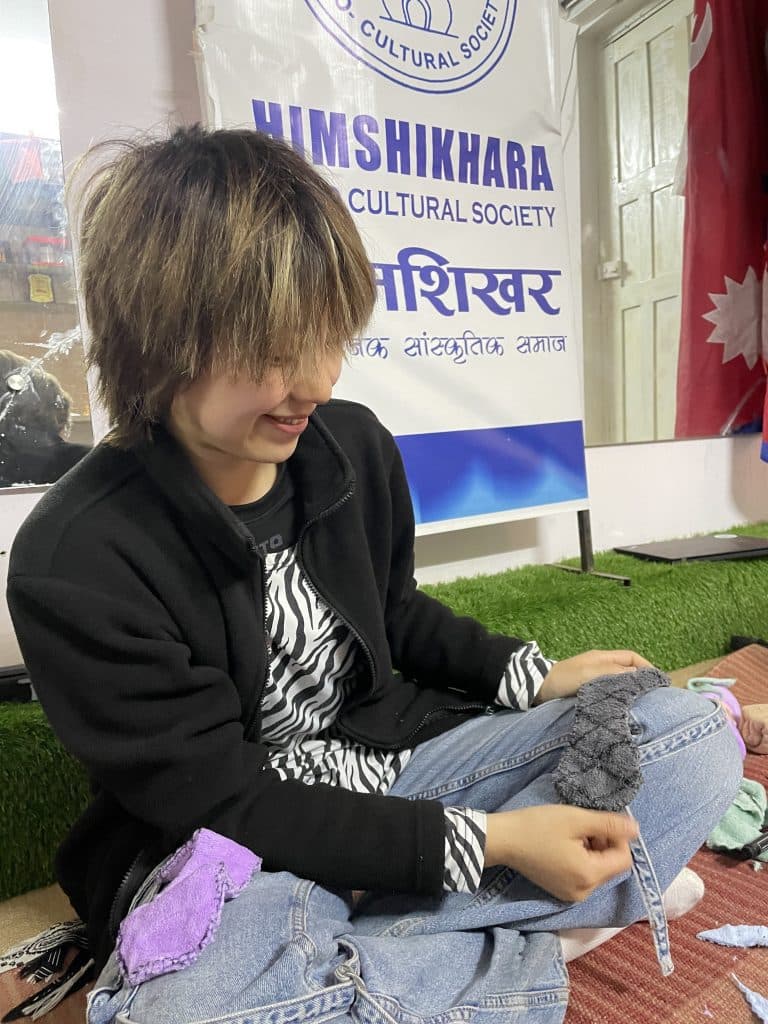
Making and production
Cutting, stitching and finishing reusable pads; soap and product making during vocational sessions.
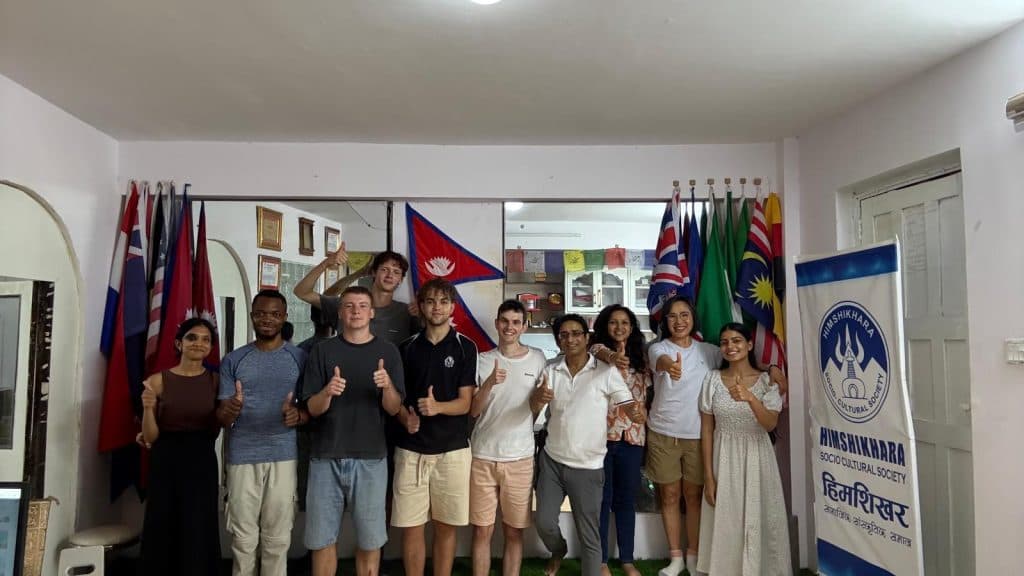
Supplies and distribution
Packing, carrying and handing over supplies for health posts and community responses.
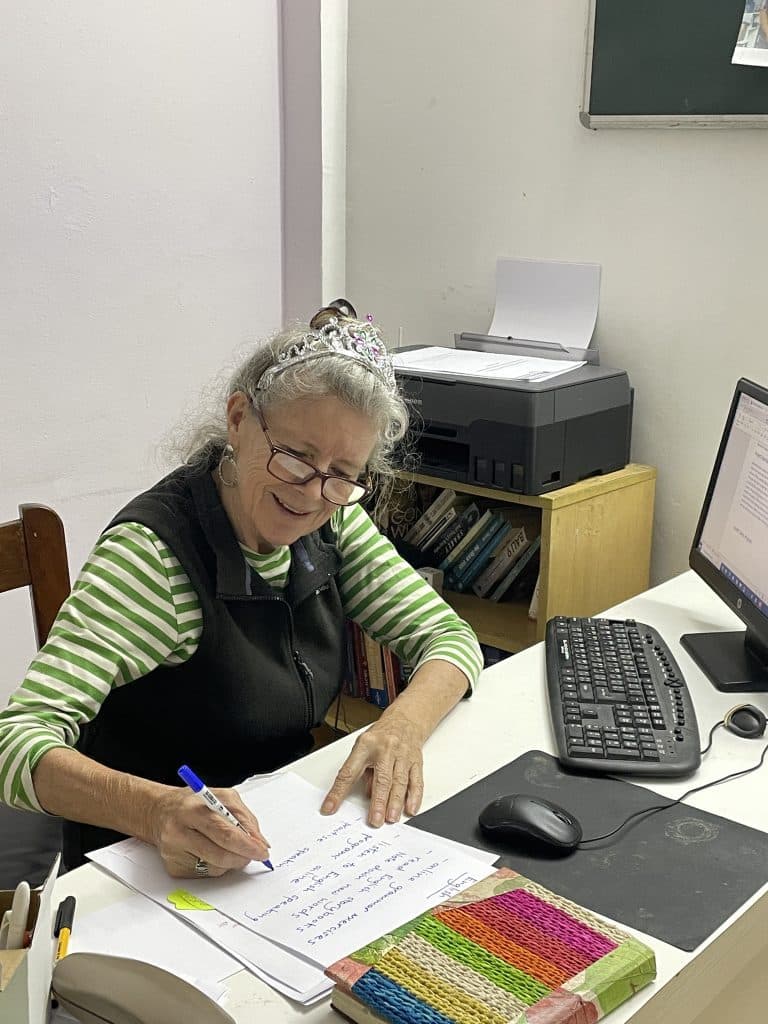
Documentation and planning
Writing up sessions, keeping programme records and preparing material for reporting.
Practicalities
The questions worth asking first
- What time commitment is expected?
- Time commitment is agreed case by case, based on the programme you join and how long you are in Nepal. Tell us your dates in the form and we will say what is realistic.
- Who can volunteer?
- Both Nepal-based and international volunteers take part, including students. Eligibility for a specific role depends on the programme, and is confirmed before you commit.
- Are there costs?
- Costs, contributions and what they cover are confirmed in writing before a placement is agreed. HISCUS does not publish a fee schedule that has not been set.
- What about safeguarding?
- Roles that involve contact with children carry additional requirements. A safeguarding policy is being prepared for publication; until it is approved, expectations are set out directly with each volunteer.